

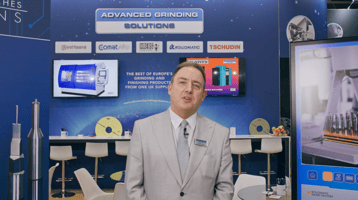

Mach 2024 was a huge success for Advanced Grinding Solutions (AGS) as it showcased the very latest...
.jpg?width=1200&length=1200&name=Galeria_LG_(3).jpg)
Buying a high-end grinding machine is a significant investment. Beyond the upfront price, the right machine impacts productivity, quality, and total cost of ownership for years to come. Before signing the purchase order, ask these critical questions:
1. What Are My Production Goals?
Understand the volume, tolerance, and surface finish requirements you need today, and in the future. Are you targeting high-mix, low-volume jobs, or consistent, high-volume production? The answer affects machine selection, automation options, and tooling requirements.
2. Does the Machine Meet My Accuracy & Repeatability Needs?
Check the specifications for thermal stability, spindle rigidity, and axis control. A machine might look impressive on paper, but real-world precision under load matters most.
3. What Consumables and Maintenance Are Required?
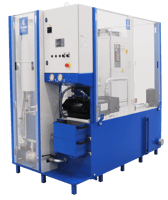
Consider wheel types, filters(like Comat filtration systems), lubrication, and other consumables. Ask about service intervals and ease of maintenance. These are all factors that directly affect uptime and costs.
4. How Flexible Is the Machine for Future Applications?
Will it handle different materials, geometries, or part sizes? Can it integrate with automation or robotics down the line? Flexibility can protect your investment against evolving production requirements.
5. What Support and Training Are Available?
Even the best machines need skilled operators. Ask about on-site training, remote support, and spare parts availability. Strong manufacturer support ensures your machine performs reliably over its lifetime.
6. What Is the Total Cost of Ownership (TCO)?
Don’t just compare purchase prices. Factor in cycle times, energy consumption, consumables, downtime, service, and scrap reduction. A slightly higher upfront cost can pay off if cycle times are quicker or if the TCO is lower over the machine’s life.
Pro Tip from AGS:
Before committing, request cycle time studies and trial runs . Seeing your parts machined under real conditions provides confidence that the machine will deliver the results you need.
%20-%202025-04-23T095144.346.png?height=200&name=Untitled%20(Square%20Pillow)%20-%202025-04-23T095144.346.png)